Graces
While studying art history, I noticed that the images of women known to us from historical art were not only created almost exclusively by men, but were also portrayed in ways that bore little resemblance to reality. Beautiful temptresses, saints, goddesses, allegories... These idealized or demonized representations rarely tell us anything about the real women of past eras. I often felt a sense of indignation when reading the biographies of women—artists, models, and other figures known from history. More often than not, I was left with the impression that the world had treated them profoundly unfairly.
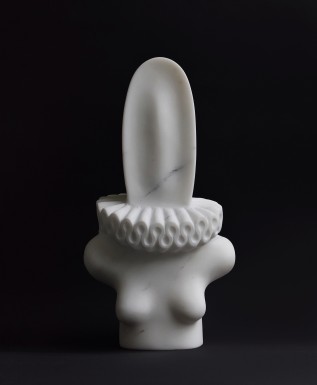
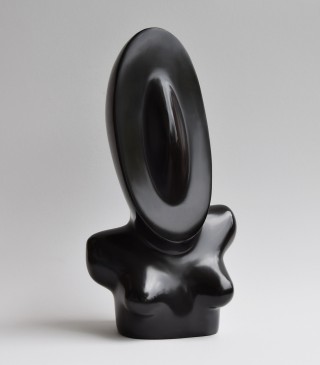
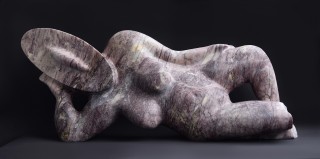
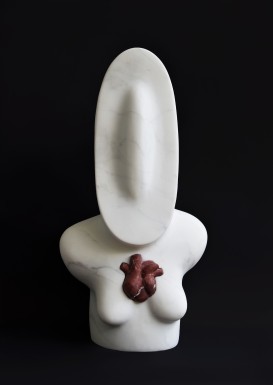
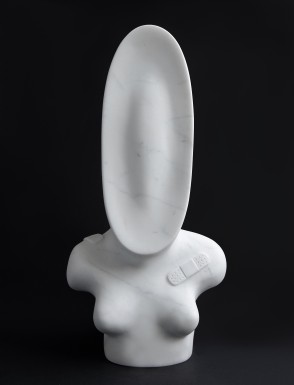
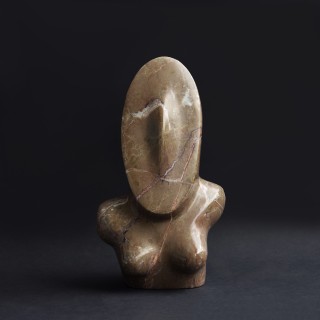
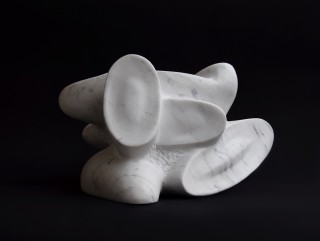
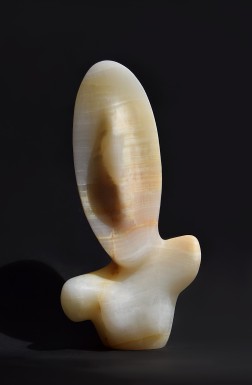
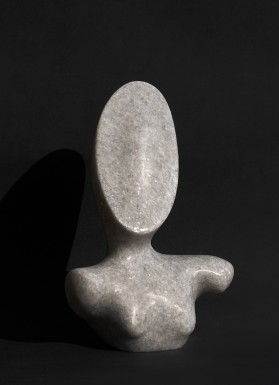
As both an art historian and an artist, I have chosen to combine classical canons with contemporary perspectives, bringing together historical ornamentation and modern narratives. This approach led to the creation of the Graces series. These sculptures refer to the long-standing artistic tradition of depicting small female busts—often carved in alabaster and displayed on desks, shelves, or mantelpieces.
I wanted to portray twenty-first-century women differently from the way they were represented by artists of the past. Today, we are finally able to depict women in art without relying on faces, decorative attributes, or conventional ideals of beauty. My Graces differ from traditional portraits: each is an individual. Their character is expressed through posture, physical presence, and the material from which they are carved. All of them feature prominent spines—a sign of pain, endurance, and lived experience. Some figures convey lightness, others dignity and strength, while still others refer to different physical or emotional states experienced by women. In my Graces, I have portrayed no single woman and, at the same time, all women. In this way, I engage with sculptural traditions familiar from art history while continuing the representation of the Graces in a distinctly contemporary form.
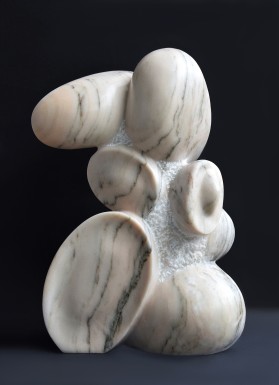
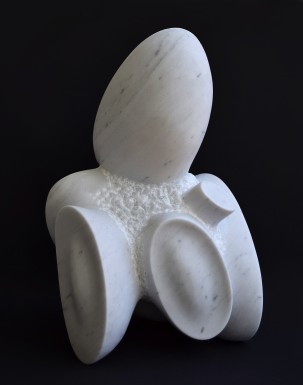
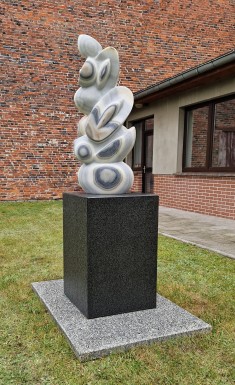
The Gracesets (Collections of Graces), whose forms are inspired by the silhouettes of the Graces, are sculptures symbolizing the female branches of family trees. They are composed of representations of women from both past and present generations within a family lineage. These works speak of the experiences, emotions, and choices of our female ancestors, their enduring presence within us, and the evolution of women's roles over time. With each successive generation, we become wiser, more resilient, and capable of more than before. Gracesets are intended to remind us of this legacy.
The layered arrangement of female figures within each family structure symbolizes the idea that life becomes “lighter” for the youngest daughters of each generation. They are able to draw upon the knowledge, strength, and wisdom accumulated by the women who came before them.
A PDF price list of all available sculptures can be provided upon request via email.